Take It From a Contractor: Not All Components Are Created Equal
When people think about their roof, they think about shingles: the color, brand, or maybe the warranty length. That’s it. Nobody thinks about the parts that actually determine whether that roof leaks in three years, or lasts twenty-five years without a callback. That’s the mistake—and it’s the mistake that keeps roofers like me in business, fixing other people’s shortcuts.
The reality is, a roof isn’t just one product. A roof is a system of a dozen small components working together, and the whole system is only as strong as the cheapest part in it.
Gooseneck Vents: The #1 Callback in the Business
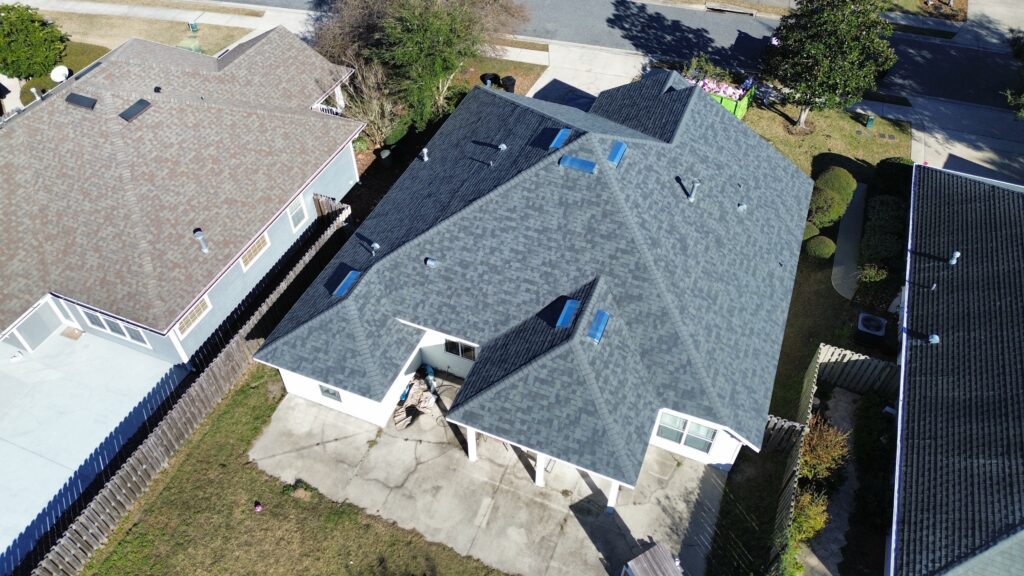
If I had to bet on which part of your roof fails first, it’s not the shingles. It’s the gooseneck vents venting the moist air and odors out of your bathrooms. These things get manufactured cheap, assembled worse, and installed by crews moving too fast to notice the base is already warped out of the box.
Goosenecks are a $40 part. The good ones cost maybe $10 more. That $10 buys you a thicker base, a collar that actually seals, and a vent that isn’t going to crack and leak into your ceiling in four years. Why would you skimp on the one part of your roof that’s punching a hole straight through your deck? You don’t. The best course of action is to spend the extra ten bucks, so you won’t think about it again for twenty years.
Pipe Boots: The Quiet Killer
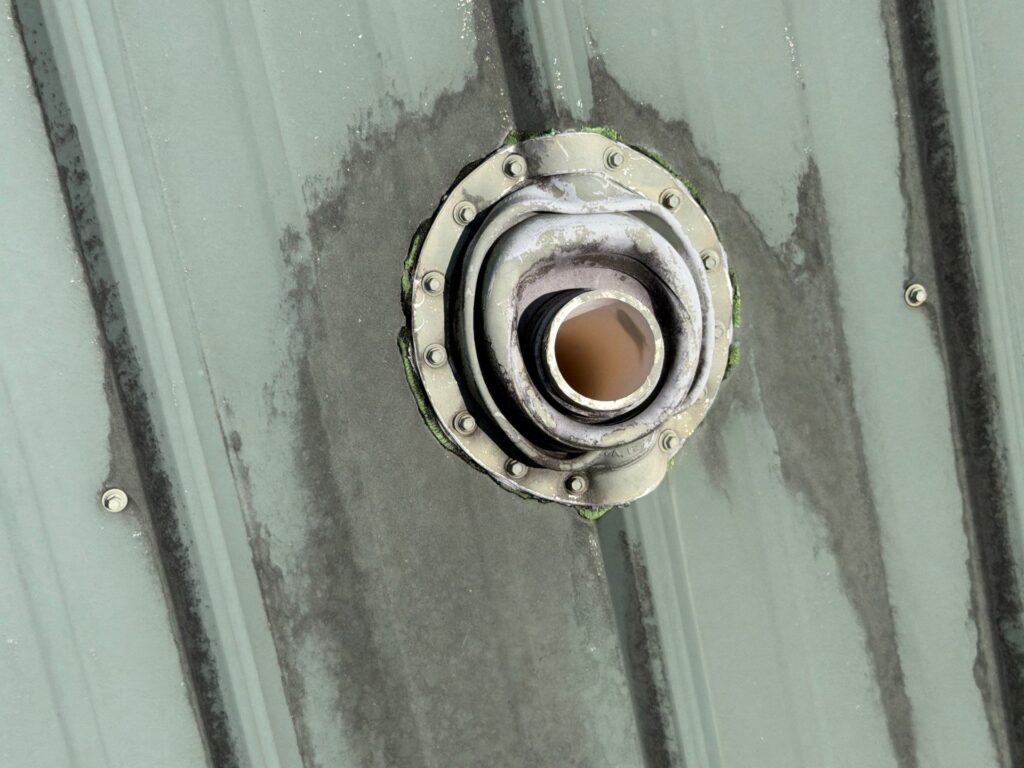
Pipe boots don’t get the reputation gooseneck vents do, but they should. These are the rubber collars sealing around your plumbing vent stacks, and over time, rubber degrades. Cheap rubber degrades especially fast, cracking and shrinking in 3-5 years under sun exposure. A quality boot with a better compound, or better yet a lead or a real storm-collar design, holds up for the life of the roof. I think that’s much more preferable, instead of needing a repair truck back at your house before your roof is even out of its toddler years.
Underlayment: What You Don’t See Is What Saves You
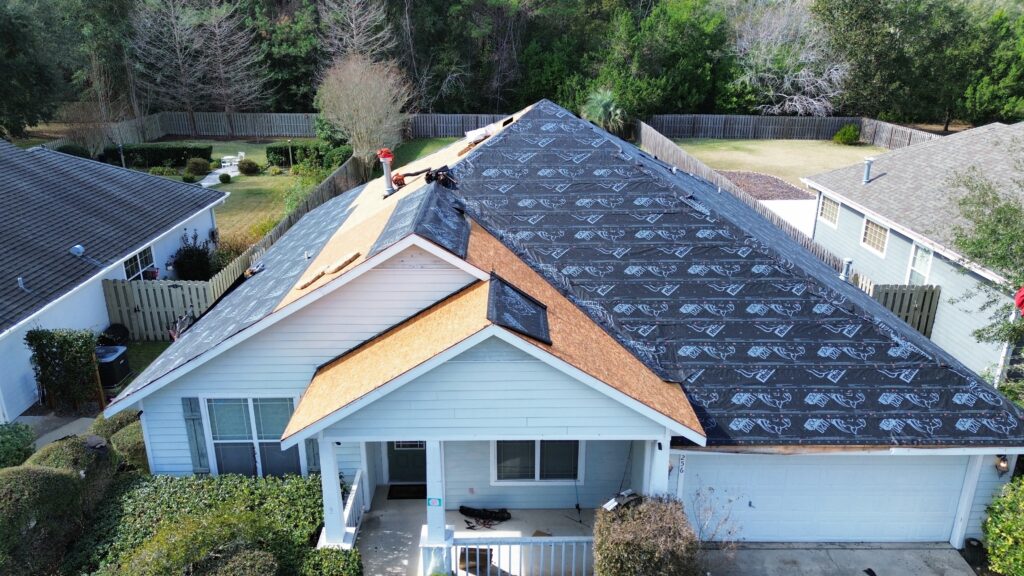
Nobody picks their underlayment. It’s invisible, so it gets treated like it doesn’t matter. But that felt or synthetic layer is your last line of defense if wind ever drives water up under a shingle, and it’s your only defense during the install itself, before the shingles are even down. Builder-grade felt tears if you look at it wrong. A synthetic underlayment costs more per roll, but survives foot traffic, weather delays, and wind-driven rain without turning into confetti. This is a component decision that happens before your roof even has a face, and it’s one of the ones that matters most.
Fasteners: The $200 Difference
Roofing nails seem like the last place anyone would cut corners, and yet electro-galvanized nails on a coastal or high-moisture property will rust out and lose their grip years before the shingles they’re holding down. Stainless or hot-dip galvanized nails cost more per box. On an average roof, that’s a difference measured in a couple hundred bucks total. That’s the whole roof’s wind rating riding on a fastener upgrade most homeowners never even hear quoted.
Ridge Cap and Flashing: Where Water Actually Gets In
Flat 3-tab shingles cut down and used as ridge cap is still out there, and it’s still wrong. Purpose-built ridge cap is thicker, designed to bend without cracking, and rated for the wind exposure a ridge line actually takes. Same story with flashing at your chimneys, walls, and valleys—26-gauge versus 28-gauge steel, painted versus mill finish; a proper step-flash pattern versus caulk and a prayer. Every leak I’ve ever traced back to a flashing detail traces back to somebody deciding the cheap version was “good enough.”
The Pattern
Every one of these is the same story: a small part, a small price gap, and a massive difference in what that part is protecting. The shingles are the part everyone sees and shops on price. The components are the parts that actually fail—and when they fail, you’re not paying for a $10 upgrade anymore. You’re paying for drywall, insulation, mold remediation, and a full tear-off you didn’t budget for.
A roofing system is only as strong as its weakest component. Don’t let that be the $10 you didn’t spend.
If you have concerns, Hogtown Roofing is here to help. We offer free estimates with our inspections, and we proudly service Gainesville, Florida and the surrounding areas. Feel free to Contact Us to request a free inspection!