
How Much Does a Roof Repair Cost? Real Examples From the Field
When someone calls about a roof leak, the first question is usually simple: How much is this going to cost me?
The honest answer is that roof repair cost depends on what is actually causing the problem — not always what it looks like from the ground, from the ceiling stain, or even from the first guess on the roof. A small, isolated issue may be a manageable repair. A leak that has been ignored, misdiagnosed, or caused by a bad roof installation can become much more expensive.
In my experience, the most helpful way to think about roof repair pricing is this: the faster we identify the real source of the leak and correct it properly, the less expensive the problem usually is. It is never going to be cheaper than it is today. Everything you do today — or do not do today — comes with interest tomorrow.
A practical roof repair cost range
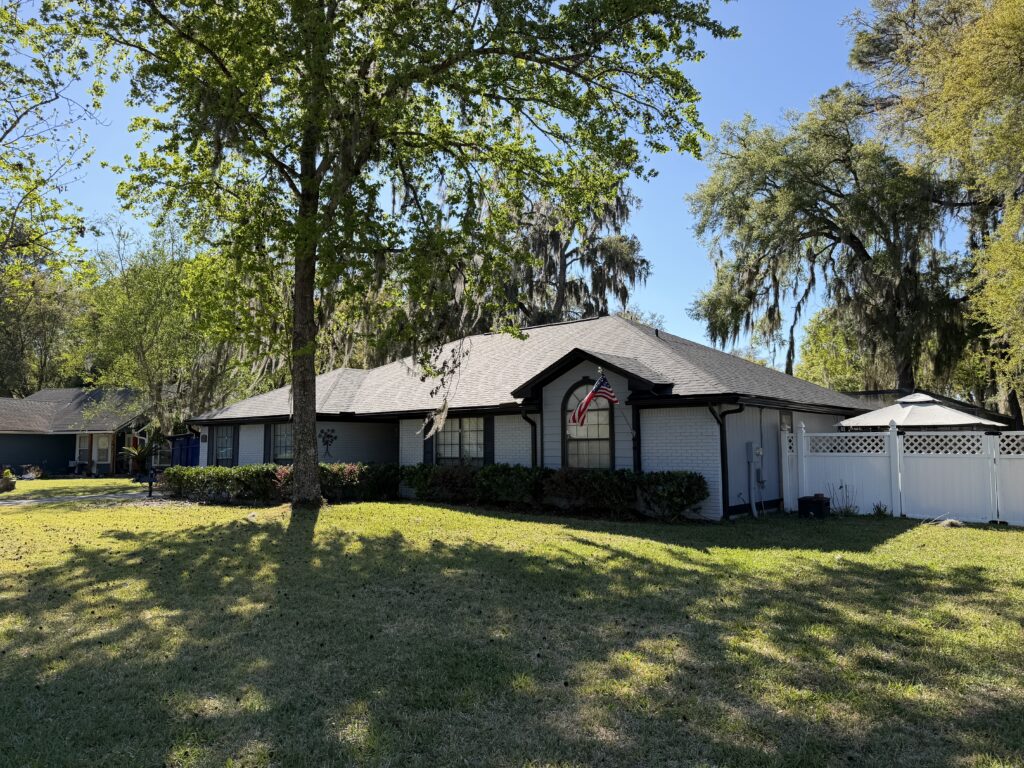
For a small, isolated residential roof repair, I usually tell homeowners to budget under $1,000. In some cases, the final price may come in closer to half of that, depending on the issue, the roof type, access, materials, and labor required.
That does not mean every roof repair is a $500 to $1,000 job. It means that if you have one small problem area and you catch it early, the cost may be relatively reasonable. Once the repair involves a larger section, specialty materials, hidden damage, mold, decking issues, commercial drainage problems, or a roof that was installed incorrectly, the price can climb quickly.
Why roof repair prices vary so much
A roof repair is not priced just by the size of the stain on the ceiling. It is priced by the work required to find the source, stop the water, repair the damaged area, and prevent the same issue from coming back.
The biggest factors that affect roof repair cost include:
- The size of the repair area. One small leak is usually less expensive than a problem spread across a large section of roof.
- The type of roof. Shingle roofs are typically less expensive to repair than metal roofs, and tile roofs may be more expensive than both because of labor, material handling, and replacement material needs.
- How quickly the problem is addressed. A leak that started yesterday is usually easier to manage than one that has been soaking insulation, decking, drywall, or walls for weeks.
- Whether the original roof was installed correctly. Bad flashing, bad ridge work, blocked drains, poor underlayment, and poor workmanship can turn a simple leak into a larger repair.
- What is happening underneath the roof. The roof surface is only one part of the story. Water can damage decking, insulation, ceilings, walls, and indoor air quality.
- Whether the building is residential or commercial. Commercial roof repairs can become more expensive because of ponding water, drainage issues, roof weight, access, and the amount of roof area involved.
Case study: the $800 leak that was not the skylight
A customer called and said they had a new leak with water standing on the ceiling. Because roof leaks can get worse fast, I worked it into the schedule right away.
Two other roofing contractors had already looked at it and both leaned toward the same answer: the skylight. They said they could not tell for sure without spraying it with a water hose.
Instead of starting with the obvious guess, I got into the attic. From inside the attic, I could see where the water was actually coming in. The source was not the skylight at all. Instead, it was a section of ridgeline that had not been done properly by the original roofer.
The fix was to replace that bad ridge section and correct the work so it would shed water properly. The cost for that repair was $800, including time, materials, and labor.
Lesson: The most obvious leak source is not always the real leak source. A good roof repair starts with diagnosis, not guesswork.
My approach: think like water
The best advice I can give about diagnosing a roof leak is simple: think like water.
Water follows gravity, openings, seams, penetrations, and the path of least resistance. On a residential house, that may mean getting into the attic and tracing where the water entered. On a commercial roof, that may mean studying the drainage, ponding, roof slope, penetrations, seams, and where water naturally wants to travel.
After doing enough repairs — skylights, vents, bad shingles, underlayment problems, previous install mistakes, ridge issues, and commercial roof leaks — you start to get a feel for where to look first. But the key is still to verify. The repair should solve the problem, not just cover the place where the stain showed up.
Cheap repairs can become expensive when you wait
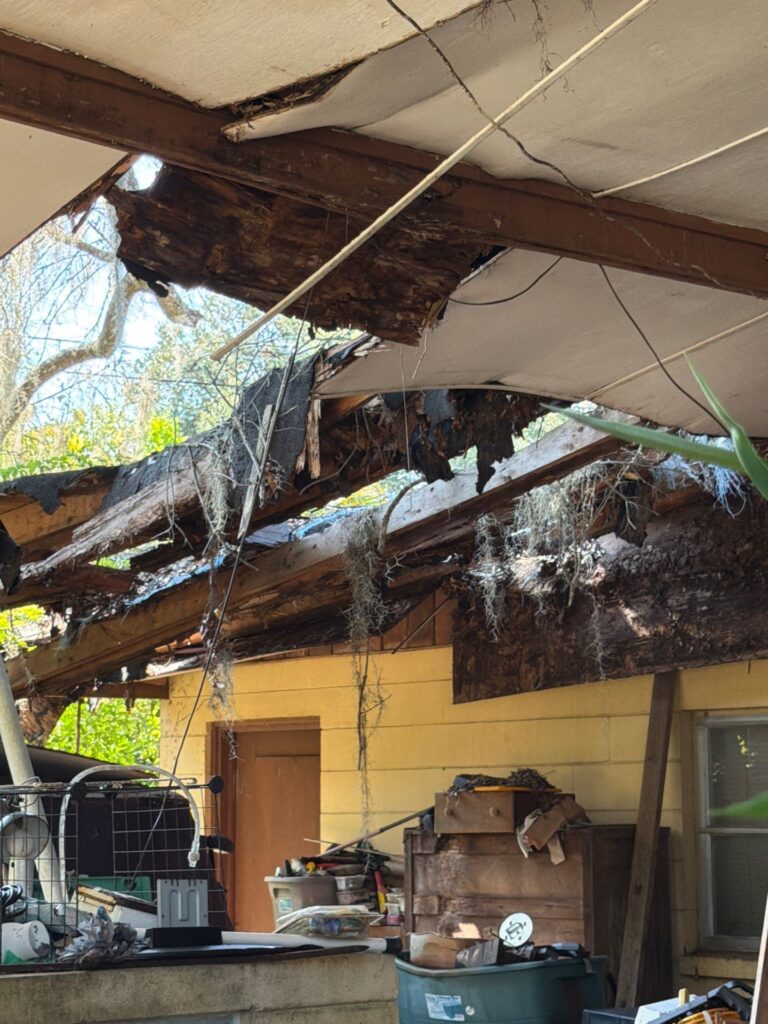
If you notice a leak, do not wait weeks hoping it goes away. A roof leak is not going to fix itself. The longer water is allowed to enter the structure, the more expensive the repair can become.
A small roof repair can turn into damaged decking. Damaged decking can turn into interior drywall damage. Interior moisture can turn into mold. By the time the problem is visible inside the house, the roof may have been leaking longer than you think.
That is why urgency matters. My goal on a repair is not to turn it into a giant profit center. My goal is to get the customer dry as fast as possible and bill fairly for time, material, and labor. I would rather take care of the customer now and be the first roofer they think of later than try to make one repair bigger than it needs to be.
Roof type matters: shingles, metal, tile, and commercial roofs
The type of roof has a major impact on repair pricing.
- Shingle roof repairs are often the most straightforward and may be less expensive when the affected area is small.
- Metal roof repairs can require more specialized knowledge, especially around fasteners, seams, penetrations, and flashing details.
- Tile roof repairs may cost more because tiles can be harder to match, remove, replace, and work around without breaking surrounding tiles.
- Commercial roof repairs often involve larger areas, drainage systems, ponding water, roof membranes, insulation, and greater risk if water is being held on the roof.
That is why two leaks that look similar from inside the building can have very different costs once you get on the roof and inspect the full system.
Commercial roof example: 8,000 gallons of water on the roof
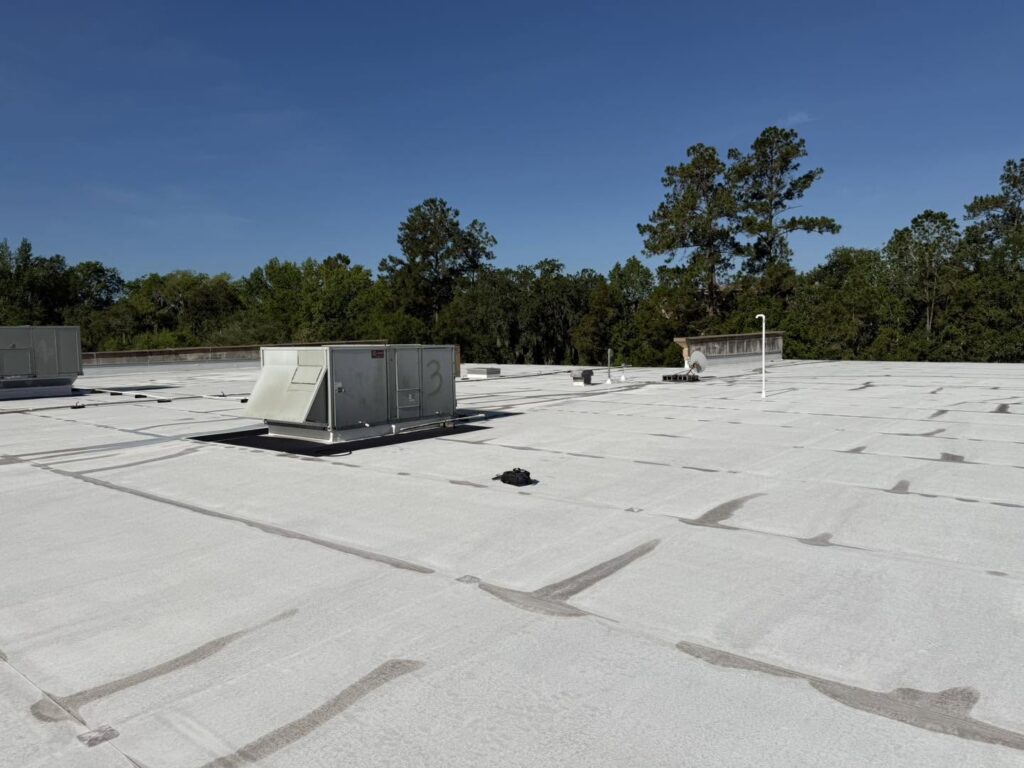
One of the most serious repair calls I have handled started as a commercial roof repair. Once we got on site, we found a major ponding water issue. This was not a small puddle. We pumped roughly 8,000 gallons of water off that roof.
That is a tremendous amount of weight sitting on a building. After the water was removed, we had to be very careful with any repair because we did not want to create future problems. The roof was only five or six years old, but it had been installed incorrectly. The installation blocked drains and caused the roof to hold water.
We were able to perform a temporary repair to buy the customer time, but the real solution was a full roof replacement. At that point, the concern was not just stopping a leak. It was waterproofing the roof properly, restoring drainage, removing weight from the structure, and reducing the risk of a much bigger failure.
Lesson: Some roofs are beyond a simple repair. If the roof system is holding water, blocking drainage, or creating structural risk, the repair may only be temporary until the roof can be replaced correctly.
When I recommend not spending money on a repair
A good contractor should also be willing to tell you when a repair does not make sense.
On one commercial building, there was a facade built on top of the roof. The customer wanted to replace the roof but repair the facade to make it look decent. The problem was that the facade was dilapidated and falling apart. It was not helping the roof do its job, and making it look right would have taken a lot of money.
My recommendation was to remove the facade altogether and re-roof everything underneath it correctly so the building would stay dry. Spending money to dress up a failing feature did not make sense when the priority was protecting the building.
What to ask before hiring someone for a roof repair
Before you hire someone to repair your roof, ask whether they are licensed and insured. Even if a repair seems small, you want someone who knows how to do the work correctly and has taken the steps to operate professionally.
Rules and permitting requirements vary by location and by the size and scope of the repair, so ask your contractor what applies to your specific project. The cheapest or easiest option is not always the best option. A bad repair can cost more than doing it right the first time.
Good questions to ask include:
- Are you licensed and insured?
- How will you determine the actual source of the leak?
- Will you inspect the attic or interior if that helps confirm the leak path?
- Are you repairing the cause of the leak or only the visible damage?
- What materials and labor are included in the estimate?
- Is this a permanent repair, a temporary repair, or a repair meant to buy time before replacement?
Before and after: A roof repair that helped restore a healthy home
One of the most memorable repairs I have been part of involved a homeowner who was referred to us after her home developed serious moisture and mold problems. She had a two-year-old roof, but it had several leaks. The homeowner also had an autoimmune disease and was highly sensitive to mold. She became very sick, ended up in the hospital, and testing eventually identified mold in her system.
An inspector found moisture in the walls and multiple concerns in the home. When I inspected the roof, I found several areas that pointed back to improper installation. My recommendation was to remove the leaking upper section of roof, correct the issues, and put the roof back together properly.
When we opened that section, we found multiple holes in the roof — some the size of softballs. We made the repairs, rebuilt the roof section correctly, and a mold remediation company handled the inside of the home.
That project has stayed with me. I do not look at it as just a roof repair. I look at it as being part of the team that helped make that home healthy again. The customer and her family became great customers and friends, and that is the kind of outcome that matters.
So, how much should you budget for roof repair?
If you have one small, isolated leak, budgeting under $1,000 is a reasonable starting point in many cases. Some repairs may be less. A real ridge repair we completed recently was $800. In practice, the size of the repair, what caused the leak, how long the leak has been damaging the roof, and the type of roof determine the final cost.
The biggest mistake is waiting. The second biggest mistake is assuming the obvious source is the true source. A roof repair should start with a real diagnosis, because guessing wrong can lead to paying for the wrong repair.
If your roof is leaking, get it looked at quickly. The sooner the source is found and corrected, the better chance you have of keeping the repair manageable.
Final thought
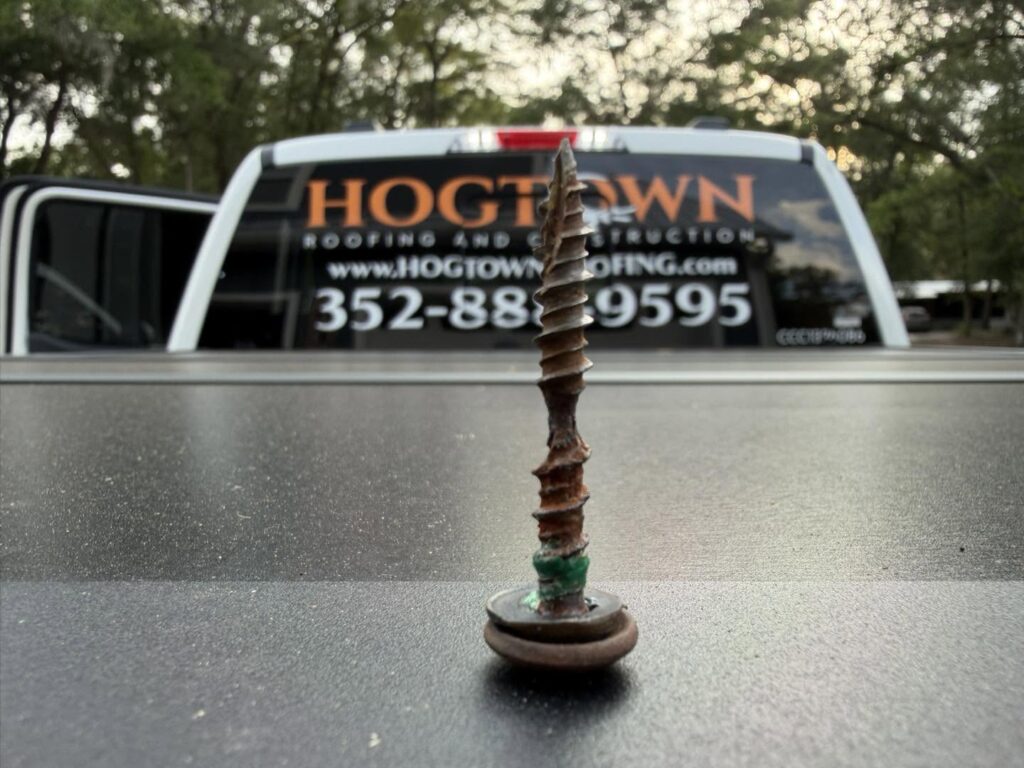
Roof repair cost is not just about shingles, screws, vents, skylights, or sealant. It is about protecting the building, stopping water, preventing future damage, and making the right call for the customer. Sometimes that is an $800 repair. Other times, it is a temporary fix before a full replacement. Or, sometimes, the best advice is not to repair something that is not worth repairing.
The best roof repair is the one that solves the actual problem — quickly, honestly, and correctly.
Have a roof leak? Do not wait for the next storm to make it worse. Schedule a roof inspection and get a clear answer on what is causing the leak, what it will take to fix it, and whether repair or replacement makes the most sense.